
Posted on February 15, 2023
A Deep Dive into Dental Pain, Swelling, and Smart Treatment Choices
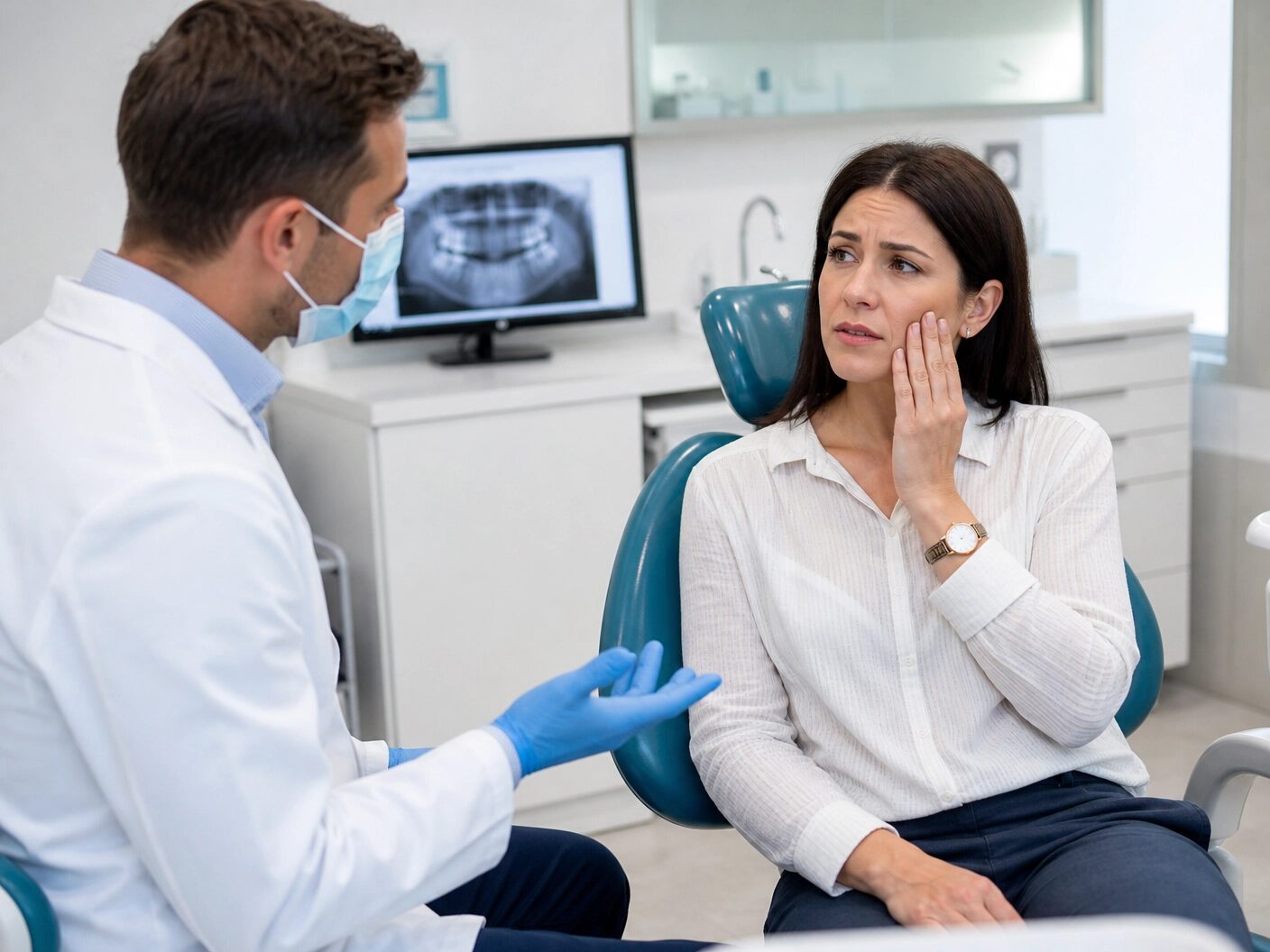
Honestly, there’s nothing quite like the jolt of a toothache to bring your day to a screeching halt, is there? That throbbing, persistent ache can make you desperate for relief, and for many, the first thought that pops into mind is, “I need an antibiotic.” It’s an instinct and a common assumption, but here’s the thing: while antibiotics are powerful tools in our medical arsenal, they’re not always the hero your toothache needs. In fact, sometimes, they can do more harm than good.
At Arch City Dental, serving the wonderful communities of Westerville and Grandview, we believe in empowering our patients with knowledge. We’re not just about fixing teeth; we’re about fostering a deeper understanding of your oral health, ensuring you receive the most effective and responsible care. Let’s unravel the complexities of dental pain, swelling, and the judicious use of antibiotics, guided by the latest science and a genuine commitment to your well-being.
It’s a scenario we see often: a patient walks in, convinced their discomfort demands a course of antibiotics. And who can blame them? For decades, antibiotics have been a go-to solution for infections. But the landscape of medicine, especially dentistry, has evolved. We now understand that not all dental pain signals a bacterial infection that antibiotics can resolve. Many times, the pain stems from issues that require a different, more direct approach.
Consider this: dentists prescribed approximately 25.17 million antibiotic prescriptions in the United States alone in 2022, translating to about 75.5 prescriptions per 1,000 people. While this number reflects a significant volume, a crucial question arises: how many of these prescriptions were truly necessary? The American Dental Association (ADA) and the Centers for Disease Control and Prevention (CDC) have been at the forefront of advocating for a more conservative approach, emphasizing that definitive dental treatment (DCDT) should be the primary course of action for most pulpal and periapical conditions.
This isn’t just about being cautious; it’s about being smart. Over-reliance on antibiotics contributes to a global health crisis: antibiotic resistance. We’ll delve deeper into this critical issue shortly, but for now, let’s establish a foundational truth: for most toothaches and localized swelling, antibiotics are often not the first, best, or even necessary solution.
Your body has a remarkable way of communicating distress, and dental pain is no exception. But understanding the nuances of these signals is key to appropriate treatment. You know what? Not all pain is created equal, especially when it comes to your teeth.
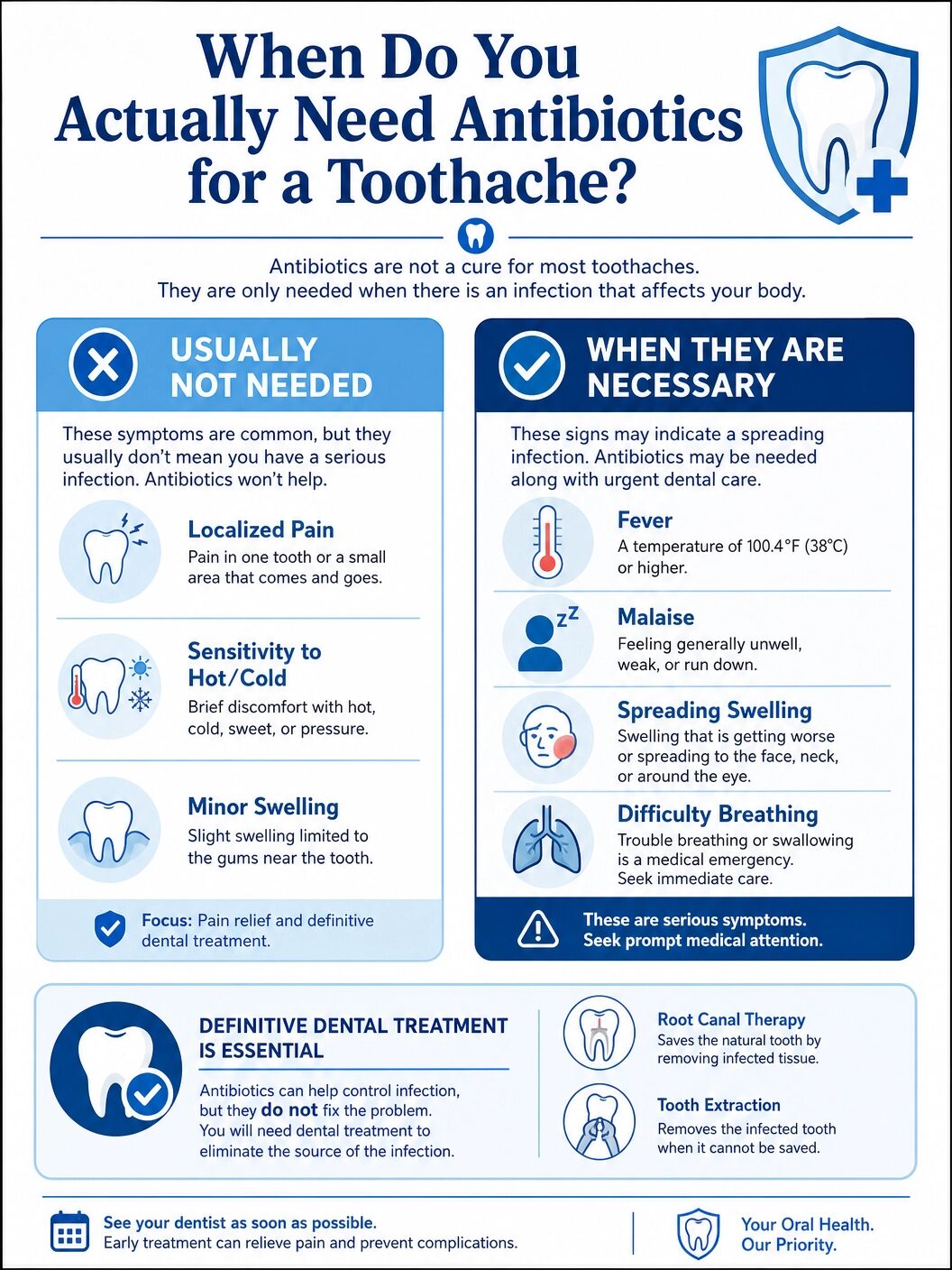
If you’re experiencing symptoms like these, it’s highly likely that a targeted dental procedure, not an antibiotic, is what you need:
A sharp, dull, or throbbing pain confined to a single tooth or a small area. This often indicates an issue within the tooth itself, such as decay reaching the pulp or a cracked tooth.
A brief, sharp discomfort when consuming hot or cold foods or drinks. This is typically a sign of exposed dentin, a cavity, or pulp inflammation that hasn’t progressed to a full-blown infection.
Slight swelling or a small bump (often called a
pimple) near the affected tooth. This often indicates a localized infection that can be drained by your dentist, rather than requiring systemic antibiotics.
For these common scenarios, the ADA guidelines are crystal clear: the best course of action is definitive dental treatment. This could mean a filling, a root canal, or even an extraction, depending on the diagnosis. Over-the-counter pain relievers like ibuprofen and acetaminophen are often highly effective in managing the discomfort while you await your dental appointment. In fact, studies have shown that a combination of 400-600 mg ibuprofen and 1,000 mg acetaminophen can be more effective for dental pain than opioids or antibiotics.
Now, there are indeed times when antibiotics become a crucial part of your treatment plan. These are typically situations where the infection has spread beyond the immediate tooth area and is starting to affect your overall health. Think of it this way: your body is sending out bigger, more urgent signals. When these signs appear, antibiotics can be life-saving.
According to the ADA and CDC, antibiotics should be prescribed if your condition progresses to systemic involvement. What does that look like? Here are the key indicators:
A temperature of 100.4°F (38°C) or higher. This is a clear sign your body is fighting a widespread infection.
A general feeling of discomfort, illness, or uneasiness whose exact cause is difficult to identify. You might feel weak, run down, or just generally unwell.
Swelling that is rapidly increasing in size, extending beyond the immediate tooth area to your face, neck, or even under your eye. This indicates a more aggressive infection that needs immediate attention.
This is a medical emergency. If swelling in your neck or throat makes it hard to breathe or swallow, seek immediate medical help. This can be a sign of a severe, rapidly progressing infection that could compromise your airway.
Tender, enlarged lymph nodes in your neck or under your jaw can also indicate a spreading infection.
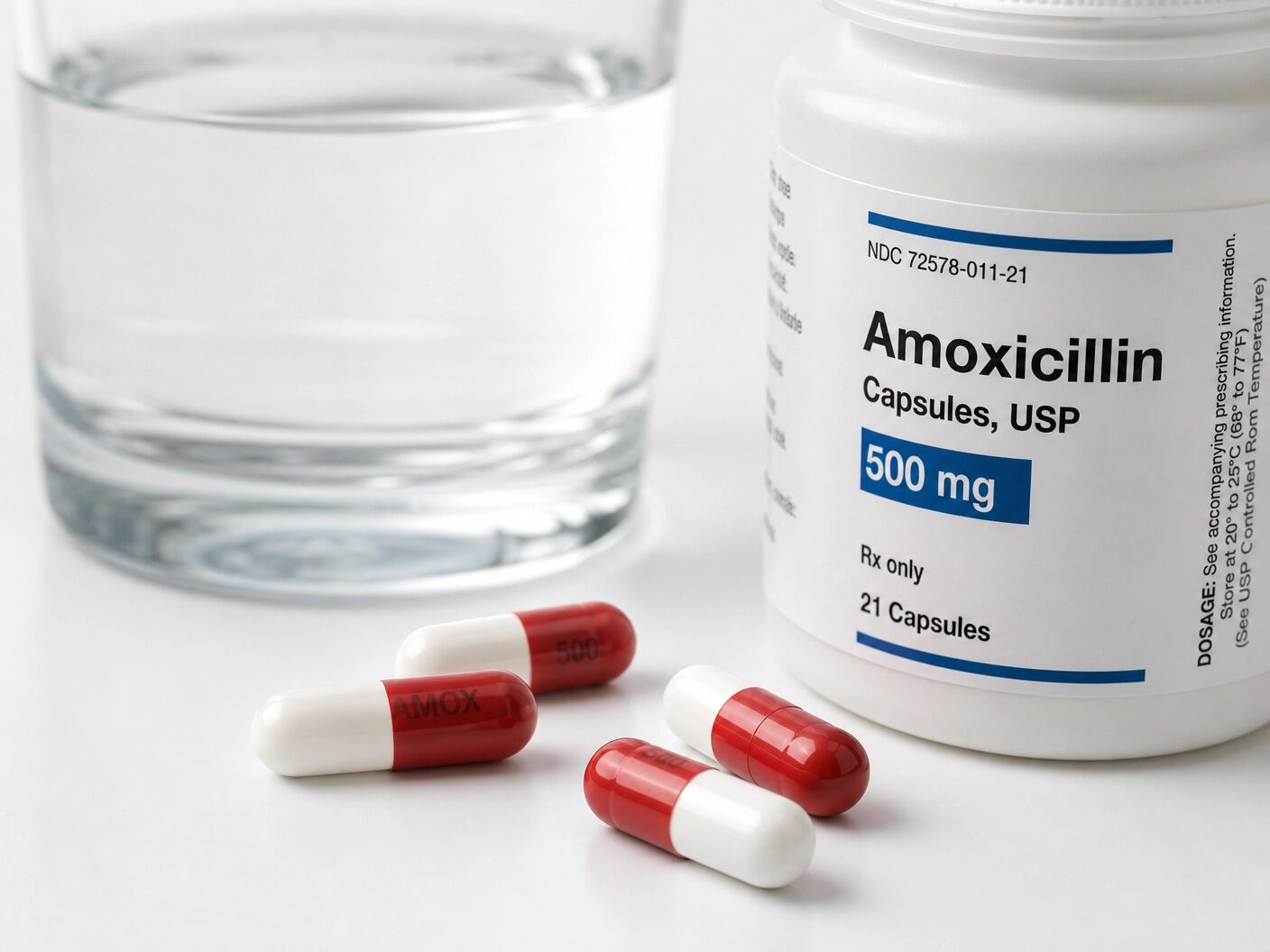
In these cases, antibiotics work to halt the spread of bacteria throughout your body, buying time for your dentist to perform the necessary definitive treatment. The most common first-line antibiotic for dental infections is amoxicillin, typically prescribed at 500 mg three times a day for 3-7 days. For those with penicillin allergies, alternatives like clindamycin may be used [5].
Let’s talk about something serious, something that affects not just you, but everyone around you: antibiotic resistance. It’s a growing global health crisis, and dentistry, unfortunately, plays a role. When antibiotics are used unnecessarily or incorrectly, bacteria can evolve and become resistant to these life-saving drugs. This means that when you truly need an antibiotic, it might not work as effectively, or at all.
Did you know that general dentists prescribe more than 10% of all outpatient antibiotics in the United States? This significant contribution highlights the immense responsibility dentists have in practicing antibiotic stewardship. The overuse of antibiotics, even for seemingly minor issues, contributes to the rise of
“Superbugs” are bacteria that are incredibly difficult, and sometimes impossible, to treat with antibiotics.
This is why the ADA’s guidelines are so crucial. By reserving antibiotics for cases with clear systemic involvement, we can help preserve the effectiveness of these medications for future generations. It’s a collective effort, and it starts with understanding that an antibiotic isn’t a quick fix for every dental ache.
If antibiotics aren’t the answer for most toothaches, what is? The answer lies in definitive dental treatment (DCDT). This means addressing the root cause of the problem, not just masking the symptoms. Think of it like a leaky pipe: you can keep putting buckets underneath to catch the water (antibiotics), but until you fix the pipe itself (dental treatment), the problem will persist.
Here are some common definitive treatments for dental pain and swelling:
When the pulp (the innermost part of the tooth containing nerves and blood vessels) becomes infected or inflamed, a root canal is often necessary. This procedure involves removing the infected tissue, cleaning and disinfecting the root canals, and sealing them to prevent further infection. It’s a highly effective way to save a natural tooth and eliminate pain.
In cases where a tooth is severely damaged or decayed and cannot be saved, extraction may be the only option. Removing the source of the infection is crucial to preventing its spread and further complications.
If you have a localized abscess (a pocket of pus), your dentist may need to make a small incision to drain the infection. This provides immediate relief from pressure and pain and helps the area heal.
These are procedures often performed on children’s teeth or as an emergency measure to remove part or all of the infected pulp tissue, providing temporary relief until a more permanent solution can be implemented.
These treatments, while perhaps sounding intimidating, are the true path to lasting relief. They address the underlying issue, eliminating the infection at its source and restoring your oral health.
At Arch City Dental, we understand that dental pain can be stressful and confusing. That’s why we’re committed to providing clear, honest communication and personalized care. We don’t believe in a one-size-fits-all approach. When you come to us with a toothache, we’ll take the time to thoroughly evaluate your symptoms, diagnose the underlying cause, and recommend the most appropriate treatment plan for you.
We adhere strictly to the ADA’s guidelines on antibiotic use, ensuring that we prescribe these medications only when necessary. Our goal is to provide effective relief while safeguarding your overall health and contributing to the fight against antibiotic resistance.
Whether you need a routine checkup, a complex procedure, or simply advice on managing dental pain, our experienced team in Westerville and Grandview is here to help. We’re dedicated to making your dental experience as comfortable and positive as possible.
To further clarify the role of antibiotics in dental care, we’ve compiled answers to some of the most common questions we receive:
We are delighted to welcome you to our practice and are pleased that you chose us to serve your dental needs. Your oral health is our priority, and we’re committed to providing you with the highest quality care in a comfortable, welcoming environment.
If you’re experiencing dental pain or swelling, don’t wait. Contact us today to schedule an appointment. Let us help you get to the root of the problem and find lasting relief.
[1] Outpatient antibiotic prescribing by general dentists in the United States. (2025). National Center for Biotechnology Information.
[2] Evidence-Based Clinical Practice Guideline on Antibiotic Use for the Urgent Management of Pulpal- and Periapical-Related Dental Pain and Intraoral Swelling. (2019). American Dental Association.
[3] Evidence-based clinical practice guideline on antibiotic use. (2019). National Center for Biotechnology Information.
[4] Be Antibiotics Aware – Treating Patients with Dental Pain. Centers for Disease Control and Prevention.
[5] Evaluation of Antibiotic Use for Dental-Related Infections. (2024). Oxford Academic.
[6] Antibiotic Use and Stewardship in the United States. (2025). Centers for Disease Control and Prevention.
Find us here
We are delighted to welcome you to our practice and are pleased that you chose us to serve your dental needs.
Find us here
We are delighted to welcome you to our practice and are pleased that you chose us to serve your dental needs.