Posted on March 31, 2020
It’s a familiar refrain, isn’t it? “You should visit the dentist regularly.” We’ve all heard it, perhaps even nodded along, but honestly, how many of us truly grasp the profound implications of that advice, especially as we navigate the rapidly evolving landscape of health and wellness in 2026? What if I told you that those routine check-ups are no longer just about preventing cavities but about safeguarding your overall health, your financial well-being, and even your longevity? You know what? They absolutely are.
In an era when AI-driven health insights and personalized wellness are becoming the norm, the concept of “whole-body dentistry” isn’t just a buzzword; it’s a critical approach to health that recognizes the undeniable link between your oral and systemic health. This isn’t just about a sparkling smile; it’s about a healthier heart, a sharper mind, and a robust defense against serious diseases. Let me explain.
Most of us are pretty good at spotting a visible problem—a chipped tooth, a swollen gum, or that tell-tale ache. But what about the silent battles brewing beneath the surface, the ones you can’t see with a mirror? This is where the true value of a dental professional, an expert in their field, becomes undeniably clear. Your dentist isn’t just looking at your teeth; they’re looking *through* them, utilizing advanced diagnostics like X-rays and even 3D imaging to uncover issues long before they become painful, costly, or even life-threatening.
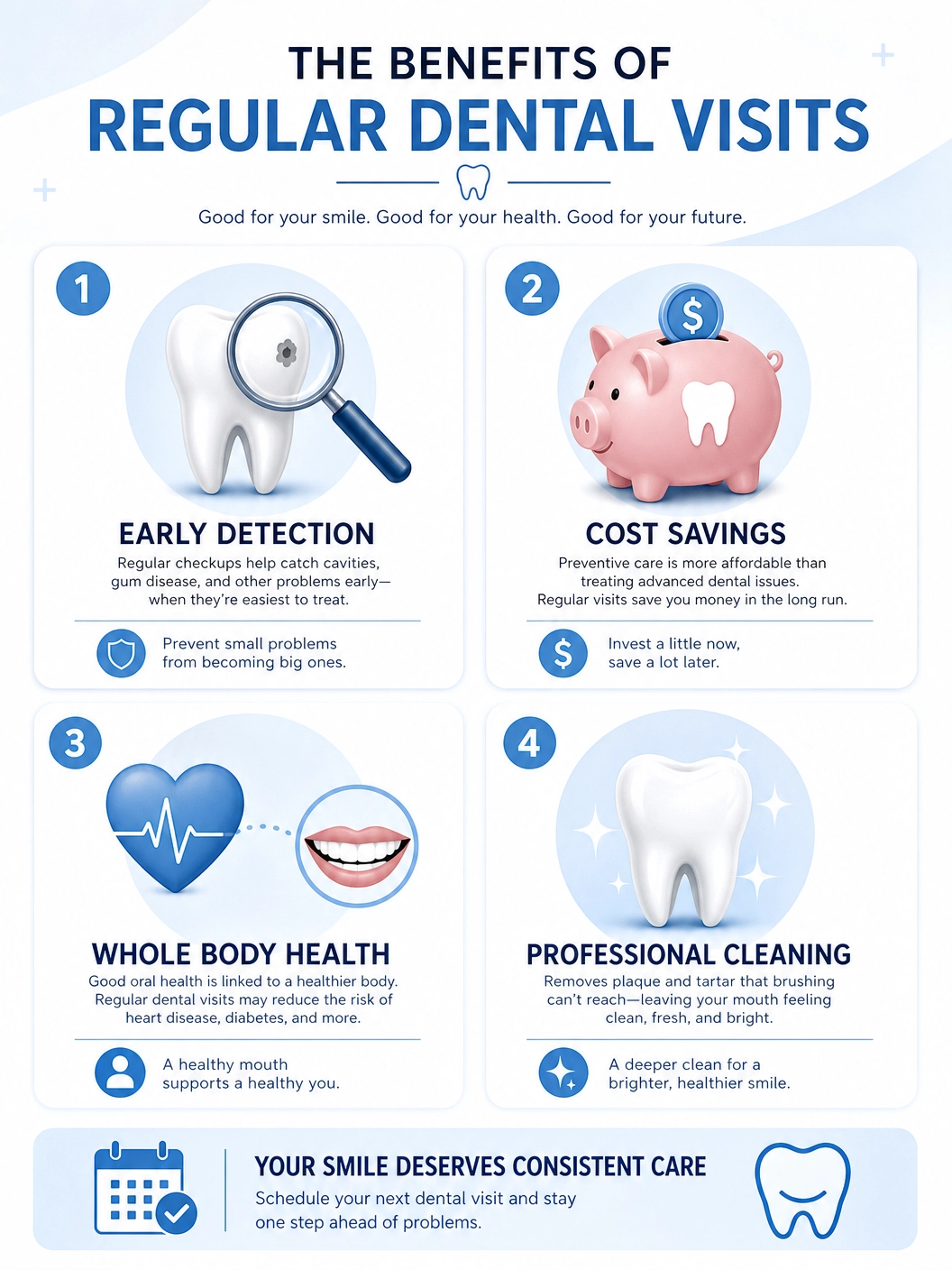
Consider this: 1 in 4 adults is expected to have untreated cavities by 2026. That’s a staggering number, and many of these individuals might be completely unaware of the microscopic skirmishes happening in their mouths. Early detection of issues like nascent decay or the subtle onset of gum disease (gingivitis) is paramount. When these problems are caught early, they’re often easily managed with minimal intervention. Left unchecked, however, they can escalate into severe infections, cause tooth loss, and even impact distant parts of your body. It’s like a tiny crack in a foundation; ignore it, and you might end up rebuilding the whole house.
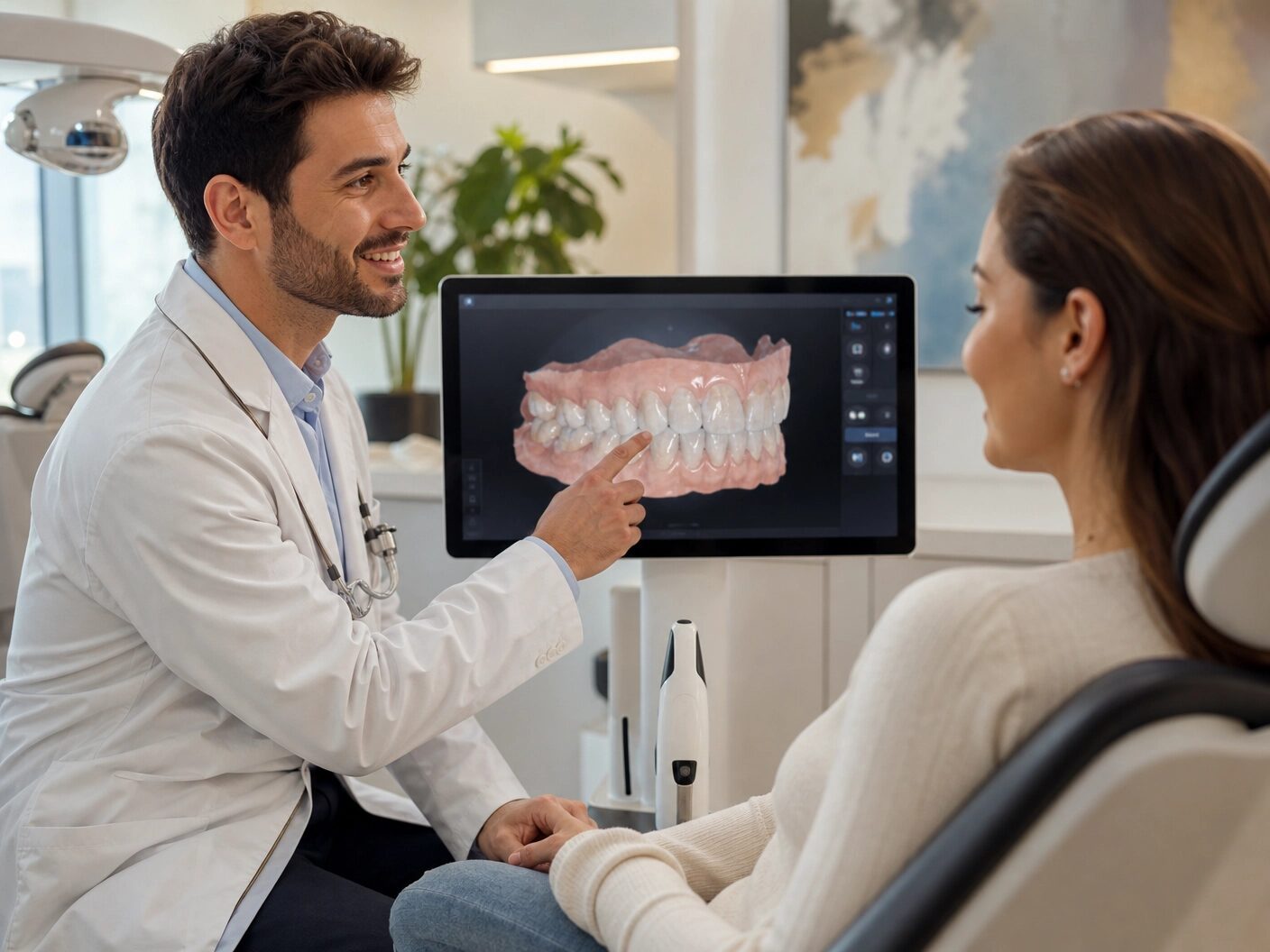
Here’s a sobering thought: your dentist might just be the first line of defense against a deadly disease. Oral cancer, along with head and neck cancers, can be devastating, but early detection dramatically improves outcomes. During your routine check-up, your dentist performs a thorough examination, meticulously checking for any unusual lumps, persistent sores, or suspicious red or white patches in your mouth, on your tongue, and around your neck. These checks are quick, painless, and often reveal nothing out of the ordinary, but when they do, they can be life-saving.
The statistics speak volumes. The 5-year survival rate for oral cavity and pharyngeal cancer is approximately 88-95% when detected in its localized stage. However, this rate plummets to around 40-50% if the cancer has spread to distant parts of the body. This stark difference underscores the critical importance of these routine screenings. It’s not just about your teeth; it’s about your life. Your dentist, with their specialized training and keen eye, is uniquely positioned to spot these subtle warning signs long before they become apparent to you.
When we think of dental visits, the dentist often takes center stage. But let’s give a round of applause to the dental hygienist—the unsung hero of preventive care. These highly skilled professionals are your partners in maintaining optimal oral health, focusing on prevention rather than just fixing problems. They’re the ones who perform that satisfying “scale and polish,” meticulously removing plaque and tartar from your teeth. And honestly, it’s so much more than just a cosmetic clean.
Plaque, a sticky film of bacteria, and tartar, its hardened form, are the primary culprits behind tooth decay and gum disease. No matter how diligently you brush and floss, there are always those tricky spots that only a professional cleaning can truly reach. Think of it like maintaining a high-performance car: you can wash it yourself, but you still need a mechanic for regular tune-ups to prevent major breakdowns. Neglecting these professional cleanings is akin to ignoring the warning lights on your dashboard—eventually, you’re going to be stranded. The advice and techniques your hygienist shares for at-home care are invaluable, empowering you to be an active participant in your oral health journey.
Here’s where things get really interesting, and frankly, a little mind-blowing. The idea that your oral health is an isolated system, separate from the rest of your body, is a relic of the past. Modern medicine, especially in 2026, increasingly emphasizes the profound systemic connections. Your mouth is, quite literally, the gateway to your body, and the health of your oral microbiome—the complex community of bacteria living in your mouth—can influence everything from your heart to your brain.
Research has consistently shown strong links between poor oral health, particularly gum disease, and serious systemic conditions. For instance, individuals with gum disease have a higher risk of developing cardiovascular diseases, including heart attacks and strokes [3]. The inflammation and bacteria originating in the mouth can enter the bloodstream, contributing to arterial plaque buildup. Similarly, there’s a well-established bidirectional relationship between gum disease and diabetes, where each condition can exacerbate the other [4]. Maintaining a healthy mouth isn’t just good for your teeth; it’s a proactive step towards preventing chronic diseases and promoting overall wellness.
In our image-conscious world, a bright, confident smile is highly coveted. Teeth whitening has soared in popularity, and with that rise comes a deluge of information—and misinformation. The internet, while a fantastic resource, is also a minefield of unverified claims and potentially harmful DIY solutions. When it comes to enhancing your smile, especially with procedures like teeth whitening, your dentist is your most trusted guide.
Why? Because they understand the nuances of your oral health, the integrity of your enamel, and the potential risks involved. They are also the only professionals legally permitted to provide certain strengths of whitening agents, ensuring both efficacy and safety. Attempting to whiten your teeth with unregulated products or methods can lead to irreversible damage, increased sensitivity, and unsatisfactory results. Building a long-term relationship with your dentist means you receive personalized advice tailored to your unique needs and goals, ensuring your aesthetic journey is both safe and successful.
Let’s talk money, because honestly, who doesn’t appreciate saving a few bucks? Many people view dental visits as an expense, a cost to be minimized. But what if we reframed it as an investment? An investment in your health, yes, but also a very tangible investment in your wallet. The truth is, preventive dental care is significantly more cost-effective than restorative treatments.
Consider the stark contrast: a routine cleaning and check-up might cost a fraction of what a root canal, a crown, or a dental implant would. Studies have shown substantial cost savings associated with preventive care. For example, some analyses indicate that state-level investments in preventive dental services can lead to savings ranging from $1.1 million to $12.9 million per year by reducing the need for more expensive treatments. Neglecting regular visits can lead to small, easily treatable problems escalating into complex, painful, and financially burdensome procedures. It’s the classic “a stitch in time saves nine” scenario, but for your teeth.
In a world saturated with information, discerning reliable advice from fleeting trends can be challenging. When you have a dental concern, where do you turn? “Dr. Google” might offer a quick answer, but it lacks the personalized insight and professional expertise of a qualified dentist. Your dentist has undergone years of rigorous training and continues to engage in ongoing education to stay abreast of the latest advancements in oral healthcare. They provide guidance you can unequivocally trust.
Regular visits allow you to build a consistent, trusting relationship with your dental team. They get to know your unique oral health history, your habits, and your specific needs. This continuity of care enables them to offer tailored advice and support over the long term, adapting their recommendations as your health evolves. Whether you’re in Westerville or Grandview, finding a “dental home” where you feel comfortable and understood is paramount. It’s about having a dedicated partner in your health journey, someone who genuinely cares about your well-being.
So, what’s the takeaway? Regular dental visits in 2026 are far more than just a formality. They are a cornerstone of preventive health, a shield against serious diseases, and a smart financial decision. They empower you with early detection, provide access to expert care, and contribute significantly to your overall quality of life. Don’t wait for pain to be your motivator. Take a proactive step towards a healthier, happier you.
For most individuals, the general recommendation is to visit your dentist at least once a year for a check-up and professional cleaning. However, depending on your individual oral health, risk factors for gum disease or cavities, and overall systemic health, your dentist might recommend more frequent visits, such as every six months. Always follow your dentist’s personalized advice.
While excellent at-home oral hygiene (brushing twice a day and flossing daily) is absolutely crucial, it’s not a substitute for professional dental care. Your toothbrush and floss can’t remove hardened tartar, detect early signs of oral cancer, or spot subtle issues like hairline cracks or nascent decay that require specialized tools and expertise. Think of it as a team effort: your diligent home care complements your dentist’s professional care.
Modern dental X-rays utilize significantly lower radiation doses than in the past, and dentists follow strict guidelines to minimize exposure. The amount of radiation from a typical set of dental X-rays is very small—often less than the amount you’d receive from natural environmental sources in a single day. The diagnostic benefits of X-rays, which allow your dentist to see problems invisible to the naked eye, far outweigh the minimal risks. Your dentist will only recommend X-rays when clinically necessary.
It’s never too late to restart your oral health journey! Many people feel a bit of apprehension or even embarrassment if they haven’t seen a dentist in a long time. Please know that dental professionals are there to help, not to judge. The best thing you can do is schedule an appointment, be honest about your history, and let your dental team assess your current situation. They will work with you to create a personalized plan to get your oral health back on track, gently and effectively.
[1] URBN Dental. (2026). Oral Health Statistics USA 2026. Retrieved from
[2] American Cancer Society. Survival Rates for Oral Cavity and Oropharyngeal Cancer. Retrieved from
[3]: https://www.perio.org/consumer/mouth-body-connection)(Note:Whilethisspecificlinkmightnotbe2026,thescientificconsensusonthislinkiswell-establishedandfoundationalto2026understanding. “American Academy of Periodontology. Periodontal Disease & Systemic Health. Retrieved from”
[4]: https://www.niddk.nih.gov/health-information/diabetes/overview/preventing-problems/gum-disease-periodontal-disease)(Note:Similarto%5B3%5D,thisisafoundationalscientificlink. “National Institute of Diabetes and Digestive and Kidney Diseases. Diabetes and Periodontal Disease. Retrieved from”
[3] Stony Hill Dental. (2025). The True Cost of Neglecting Your Dental Health. Retrieved from
[4] PMC. (2018). Estimating the Cost Savings of Preventive Dental Services Delivered. Retrieved from
Find us here
We are delighted to welcome you to our practice and are pleased that you chose us to serve your dental needs.
Find us here
We are delighted to welcome you to our practice and are pleased that you chose us to serve your dental needs.